That is not because guitar is easy and piano is difficult.
It is because guitarists are usually introduced to popular music through its reusable building blocks.
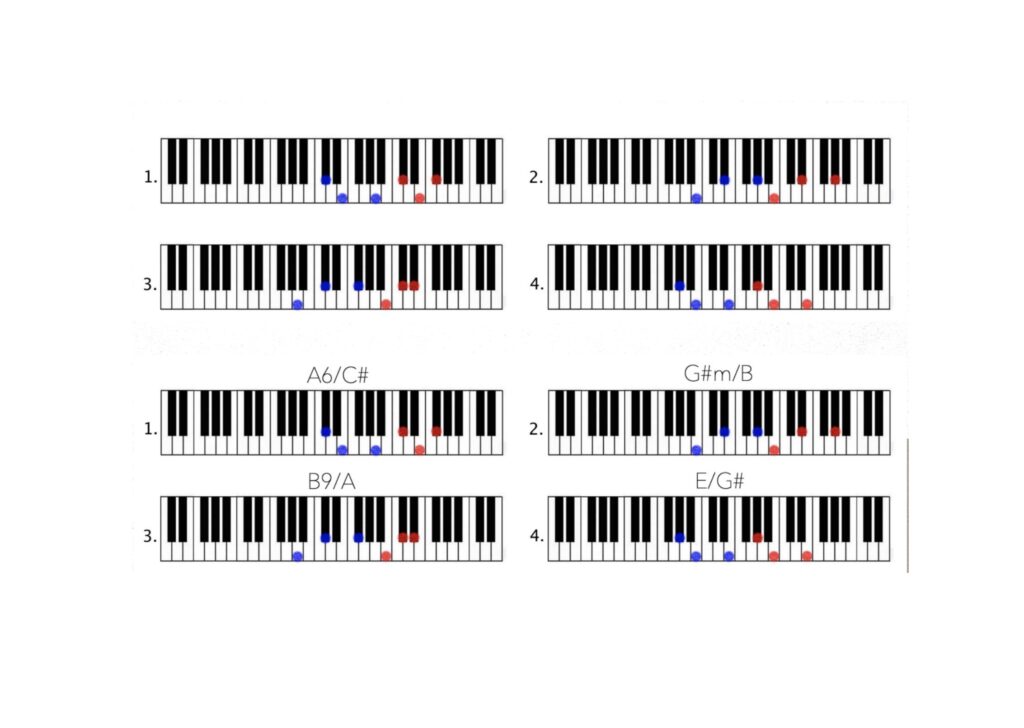
They learn chords. They learn a few strumming or picking patterns. Then they begin combining those ingredients in different ways across different songs.
They are learning a musical language.
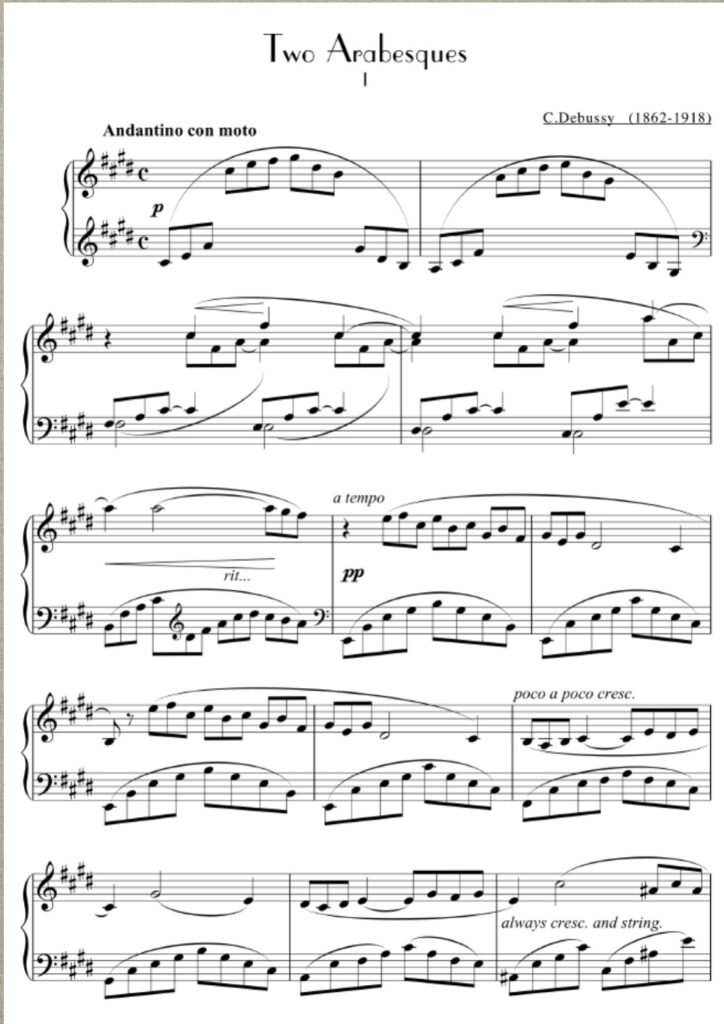
Pianists are often given a different starting point. They are taught to read and reproduce each individual note in the correct order.
That can be valuable—particularly for music written to be performed from a score.
But it is not the only way to approach the piano, and it is not the most direct route to the freedom many pop-piano players are looking for.
Contemporary musicians think in chords, progressions, rhythms, voicings, patterns and musical form.
They understand the relationships underneath the notes.
That understanding allows them to remember songs, adapt arrangements, change keys, accompany singers, play with other musicians and create something of their own.
Hack the Piano brings that same building-block approach to the piano.
Chords become the words.
Patterns and rhythm shape how those words are spoken.
Harmony explains how they relate to one another.
Your ears help you recognise those elements in the music you love.
The goal is not to swear off written music or tutorials forever.
It is to make them optional tools rather than permanent crutches.
You stop memorising movements you do not understand.
You start seeing why the music works.
And because you understand it, you can reuse what you learn across far more than one song.
That is what we mean by Piano Hacking:
Learning the right things, in the right order, for the music you actually want to play.